 friv.org.es
Ww2 Games




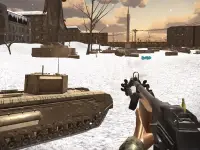
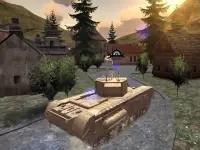





World War Two simulations concentrate on strategic resource allocation and unit management within historically grounded conflicts. Players command forces across European and Pacific theaters using tactical interfaces and command overlays. This genre prioritizes operational planning and realistic combat mechanics within a structured war games framework. About ww2 games Players efficiently manage supply lines and unit deployment to achieve specific objectives. The core loop involves issuing orders and resolving combat outcomes based on terrain and unit…Learn moreLatest update
World War Two simulations concentrate on strategic resource allocation and unit management within historically grounded conflicts. Players command forces across European and Pacific theaters using tactical interfaces and command overlays. This genre prioritizes operational planning and realistic combat mechanics within a structured war games framework.
About ww2 games
Players efficiently manage supply lines and unit deployment to achieve specific objectives. The core loop involves issuing orders and resolving combat outcomes based on terrain and unit stats. Obstacles include enemy fortifications and dynamic weather conditions that impact movement and visibility during engagements.
Gameplay Mechanics
Gameplay relies on grid-based movement and line-of-sight calculations to determine engagement ranges and attack effectiveness. Resource management involves fuel and ammunition tracking to sustain offensives and defensive positions throughout the conflict. Real-time strategy games often include fog of war mechanics to obscure enemy positions and intentions. Combined arms tactics require coordination between infantry armor and artillery units to overcome fortified defenses.
Tips & Strategies
Maintain defensive depth by establishing fallback positions and reserves to counter breakthroughs effectively. Prioritize supply route security to ensure continuous reinforcement and ammunition delivery to frontline units. Utilize terrain advantages such as forests and urban areas to enhance unit survivability in strategy games.
ww2 Games FAQs
Q: What inputs control unit movement and selection? A: Inputs typically include mouse clicks for selection and movement commands via map interfaces.
Q: What is the main objective during missions? A: The primary goal is to capture objectives and defeat opposing forces within operational time limits.
Q: Are these games compatible with mobile and tablet devices? A: Many titles offer touch-friendly interfaces and scaled resolutions for mobile and tablet compatibility.
Q: What is the central gameplay mechanic? A: The core mechanic involves managing unit positioning and executing tactical orders during simulated combat.